
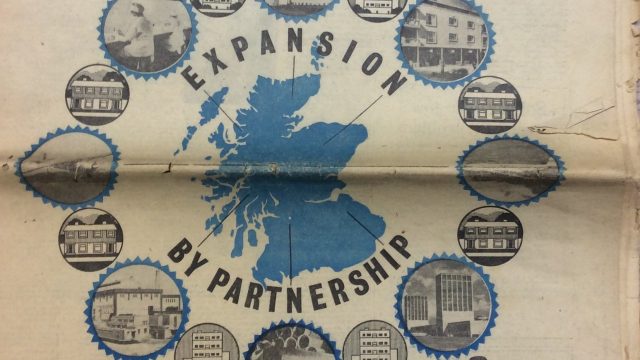
The Scottish new towns
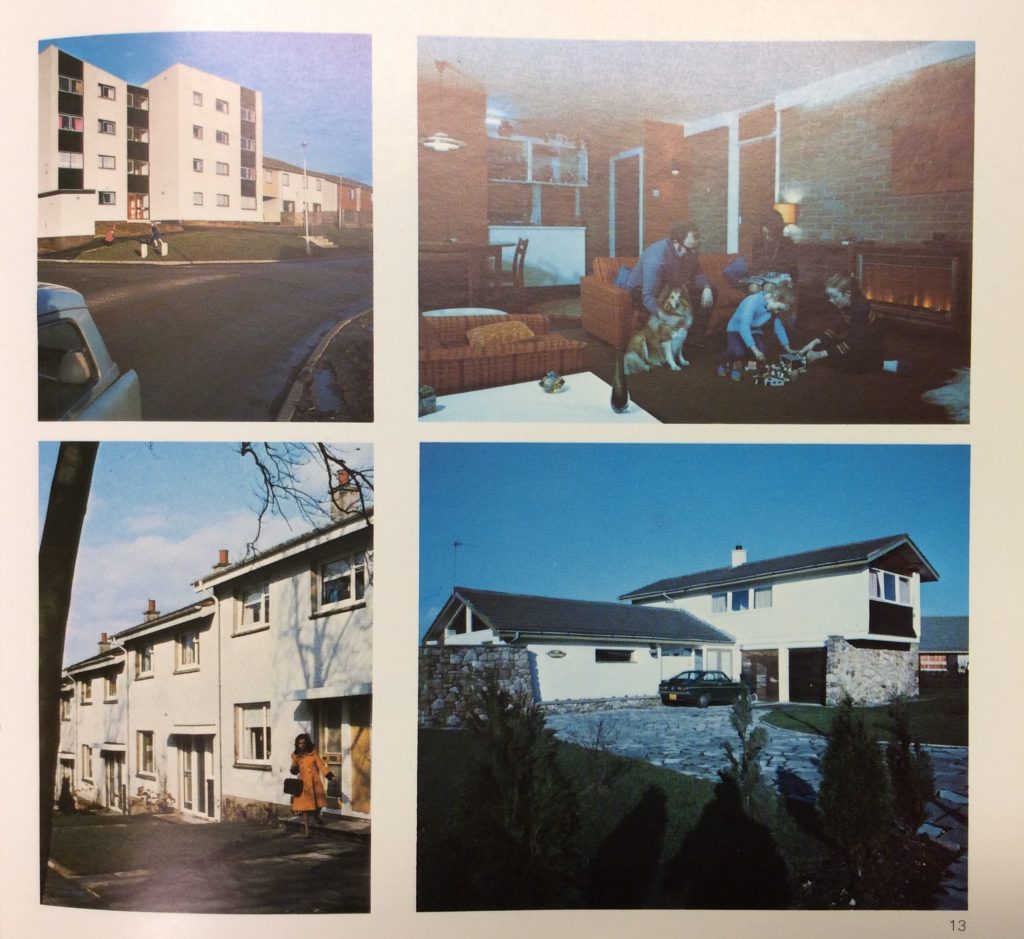
The new towns begun in Scotland between the late 1940s and early 1970s were intended to offer new ways of living to hundreds of thousands of people, by providing good housing, new jobs, and opportunities for leisure. They represent an ambition to ‘re-form’ Scotland in a modern image. Although led by the state, the chance to work and live in the new towns was actively embraced by many. Six per cent of Scotland’s population now lives in one of the post-war new towns.
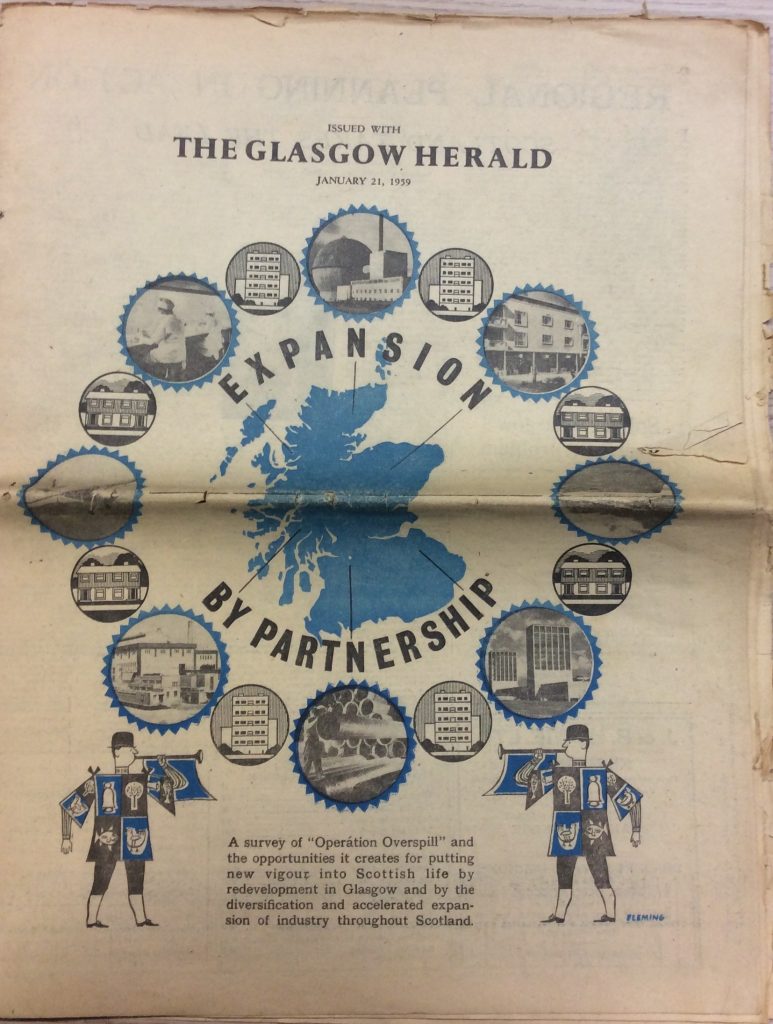
Scotland’s new towns form part of a wider programme of modern planned urban construction which took place internationally. In Scotland, as in England and Wales, the post-war new towns drew on the thinking of campaigners such as Ebenezer Howard, who at the end of the nineteenth century had called for new ‘garden cities’ as a remedy to the perceived ills of the modern city. During the 1940s, ‘decentralisation’ became official policy, with new towns being created to accommodate what was known as the ‘overspill’ population of major cities – notably London and Glasgow. It was anticipated in 1946 that 500,000 people in Glasgow needed to be rehoused, and that half of this number would have to move outside the city.
Although many towns and cities have expanded since 1945, and in some cases entirely new settlements have been created, the ‘new towns’ occupy a distinct place in this history. New towns in Scotland, as in England and Wales, were the creations of central government. Their site was ‘designated’, to use the official term. A ‘development corporation’ was created. This unelected body would be responsible for planning and building the new town. In the early decades, the corporation would also own much of the housing and other buildings. This special legislative and financial basis sets the new towns apart from other new communities (such as Erskine in Renfrewshire, which was overseen by the local council and the Scottish Special Housing Association, or Dalgety Bay, which was built by private enterprise).
The creation of the new towns reflected two key post-1945 developments. First, the introduction of a comprehensive system of land-use planning, which meant that local and national authorities took a more interventionist role in the built environment than had often been the case before. Second, the expansion of the ‘welfare state’, in which education, healthcare and housing were seen, alongside the management of certain industries and public transport, as being within the remit of the state.

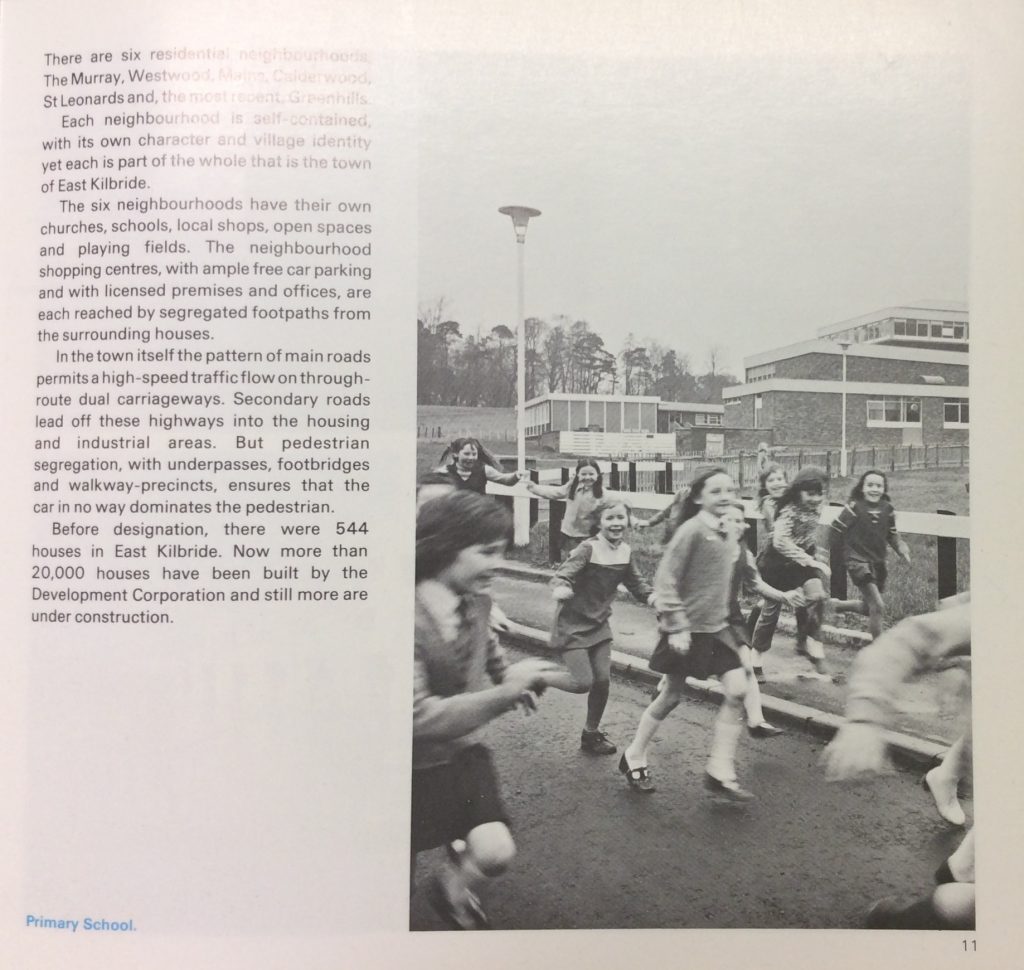
Although the new towns were intended to relieve the pressure on overcrowded older urban areas, they typically did not rehouse those who lived in the slums. Residents in the early years often needed a job in the new towns to be allocated a house, which frequently carried a price premium over other forms of public-sector housing. Nonetheless the opportunity to move and to forge a new life was embraced by many, who enjoyed the modern housing and spacious setting that the new towns offered. New, family-centred ways of living emerged.

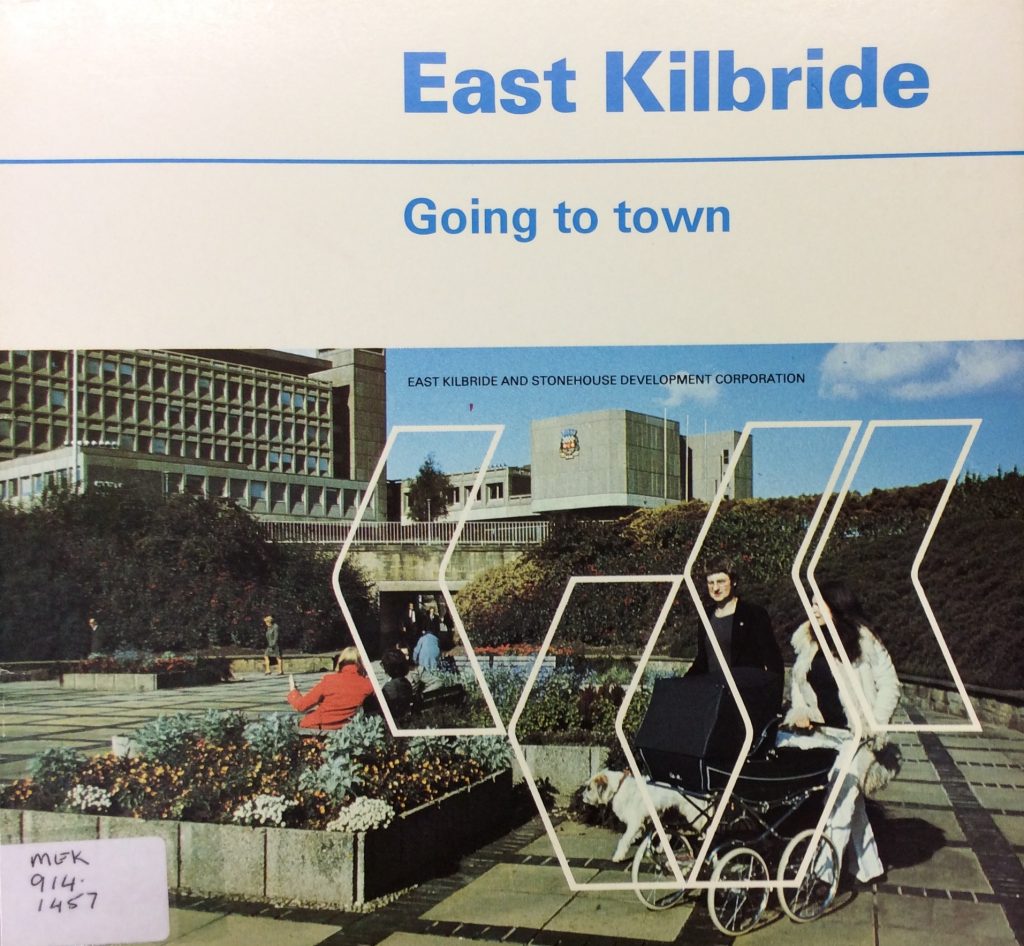
East Kilbride, to the south-east of Glasgow, was the first Scottish new town, begun in 1947. It was followed by Glenrothes, intended to serve a new coalfield in Fife (which never came to full fruition), and then by Cumbernauld, to the north of Glasgow, which was celebrated internationally in the 1960s and 1970s for its innovative architecture. Livingston, between Edinburgh and Glasgow, was begun in 1962, while Irvine, on the Ayrshire coast followed after 1966. By this date, the economic role of the new towns was stressed: it was hoped that they would boost the Scottish economy by creating new, modern jobs. Scotland’s last new town, Stonehouse, was designated in 1973 but development was halted in 1976, after only 98 houses had been built. By then, there was an increasing debate about the continued movement of the population to new towns, and calls instead to regenerate inner Glasgow.
The subsequent histories of the new towns are shaped by questions of evolution and change. The development corporations were wound up in the 1990s, with elected local authorities taking over their functions. From the 1970s, increasing emphasis was placed on building housing for sale, rather than rent. Patterns of employment and shopping have changed.
This project was about both the architectural and social histories of the new towns with this being reflected in our open access book Building Modern Scotland: A Social and Architectural History of the New Towns, 1947–1997.